

Table of Contents
ToggleEssential Weight Lifting for Gym Beginners: Your First 30 Days of Success
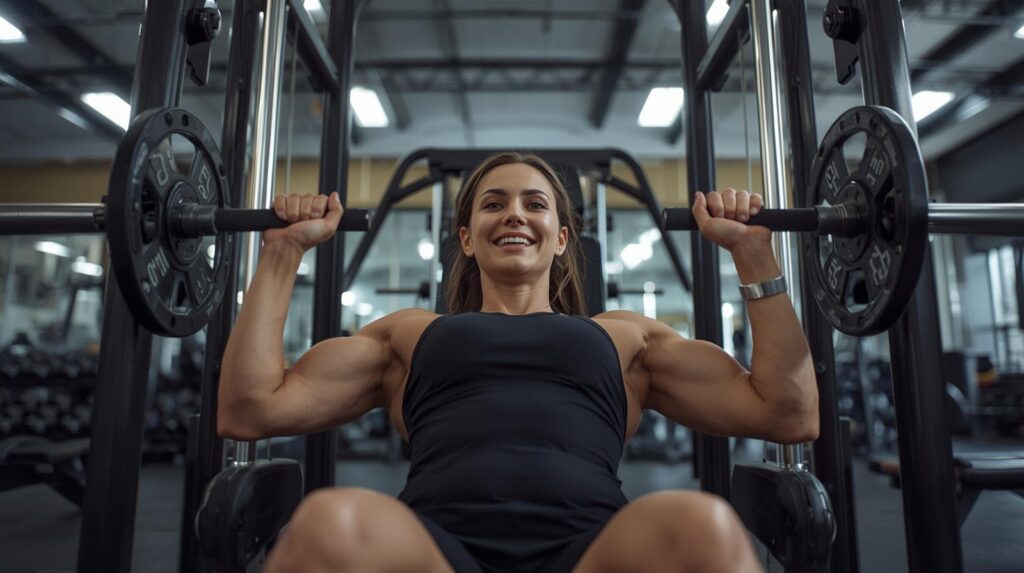
The first day you walk into the gym can feel intimidating. The clanking weights, the complicated machines, the people who look like they were born doing deadlifts—it’s enough to make anyone stick to the treadmill. But building muscle and strength isn’t reserved for the experts. Every single person who looks comfortable in the weight room started right where you are now.
This guide strips away the confusion and gives you a simple, powerful 30-day roadmap. We will focus on the essential weight lifting techniques you need to master, allowing you to walk into any gym with confidence and start seeing real results.
Why Weight Lifting is the Ultimate Upgrade to Your Fitness

Before diving into the lifts, let’s quickly cover why starting a weight lifting routine is the single most powerful habit you can adopt for your long-term fitness.
It’s about more than just aesthetics; it’s about fundamentally changing your body’s strength, metabolism, and resilience.
Beyond Aesthetics: Lifting weights increases your bone density, which is crucial for fighting osteoporosis as you age. It boosts your metabolism, meaning your body burns more calories even at rest.
The Confidence Factor: Overcoming the initial fear of the gym and mastering a heavy lift is an incredible confidence booster that translates into every area of your life. You’ll move better, feel stronger, and carry yourself differently.
The Beginner’s Advantage: As a gym beginner, you are in the “newbie gains” phase. Your body is primed to respond quickly to a new stimulus. Following a consistent plan now will yield the fastest results you will ever experience in your fitness journey
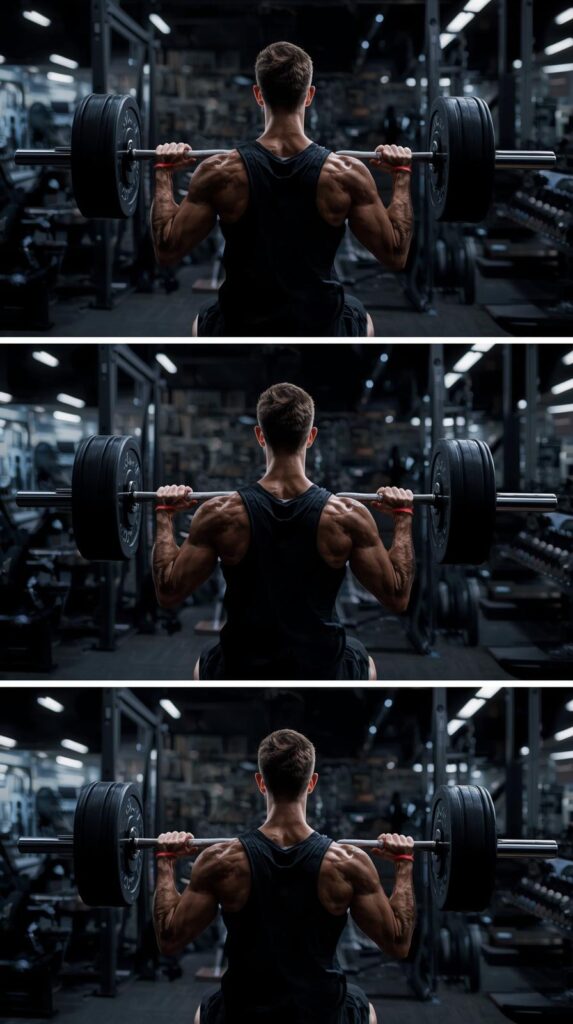
If you remember one concept from this guide, make it this one. Progressive Overload is the most critical principle in all of fitness. Without it, you will never build muscle or strength, regardless of how often you visit the gym.
The principle is simple: constantly challenge your muscles to do more than they have before. If you always do the same three sets of ten at the same weight, your body has no reason to adapt or get stronger.
Progression Methods for Gym Beginners:
You don’t need to add weight every single session. In fact, for gym beginners, adding weight too fast is the fastest way to invite injury. Focus on these methods first:
Increase Volume (Reps or Sets): If you complete a set of 8 clean repetitions, aim for 9 or 10 next time. Once you hit the top of your rep range (e.g., 12 reps), it’s time to increase the weight slightly.
Improve Form / Time Under Tension: Focus on slowing down the negative (lowering) part of the lift. Take 3 seconds to lower the weight. This dramatically increases the muscle-building stimulus without changing the weight plates on the bar.
Decrease Rest Time (Intensity): Over time, try to shorten the rest period between your working sets (e.g., from 90 seconds to 60 seconds).
Increase Resistance (Weight): This is the last step. Once you’ve mastered the first three methods, you are ready to add 5-10 pounds.
2. Gym Starter Kit: What You Actually Need (Minimalist, Max Impact)
Minimize the gear you need to step onto the gym floor with confidence. You don’t need a fancy wardrobe or expensive gadgets to start.
The Essentials:
Shoes: Wear flat-soled athletic or cross-training shoes, NOT cushioned running shoes. A firm, stable base is crucial for safety during squats and deadlifts in the gym.
A Tracking System: A simple notebook, or a free app on your phone, is your most important tool. You must log the weight, sets, and reps you lift every session to ensure you are applying Progressive Overload.
Water Bottle & Towel: Hydration is key, and wiping down your equipment is essential gym etiquette.
Gym Etiquette 101: A Confidence Boost
Don’t let the fear of making a mistake stop you from using the equipment. These simple rules will ensure you’re respected in the gym:
Racking Weights: Always put your dumbbells, weight plates, and barbells back where they belong. The gym staff and fellow members will appreciate it.
Wipe Down Equipment: Always use the provided sanitizing spray and towel to wipe down benches and machines after you finish.
Ask for a Spot: If you are using the flat bench press and are going heavy, politely ask someone nearby for a spot. It’s a sign of maturity and safety, not weakness.
3. Mastering the 5 Foundational Movements for Total Fitness
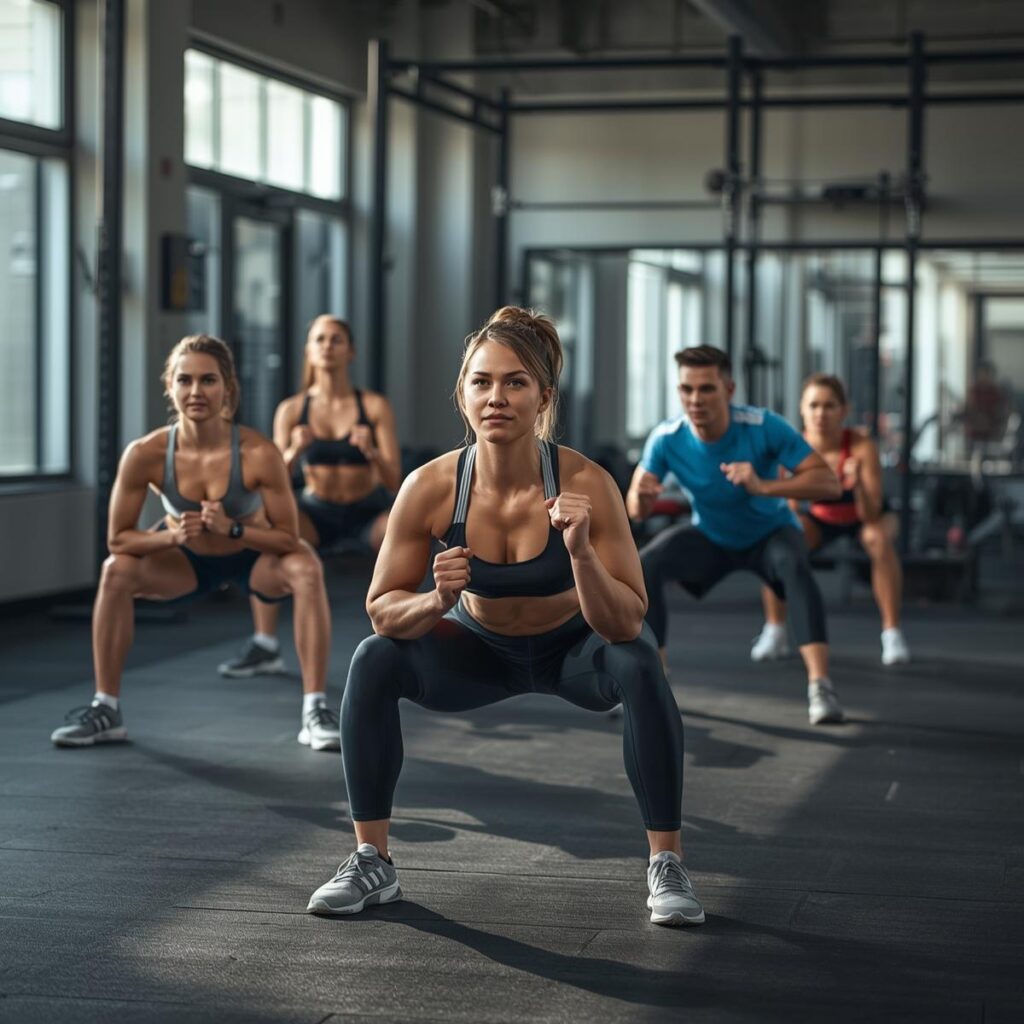
The majority of successful lifting programs are built on five core human movement patterns. Focusing on these will give you the biggest return on your time investment at the gym.
The 5 Essential Weight Lifting Patterns:
I. The Push (Upper Body, Chest/Shoulders/Triceps)
This involves movements where you push weight away from your body.
Go-To Exercise: Dumbbell Bench Press (Can be done on a flat bench or even the floor if a bench is occupied).
Form Focus: Keep your feet flat on the ground. When lowering the weights, aim to bring the dumbbells down near the outside of your chest, keeping your elbows slightly tucked (around 45 degrees) to protect your shoulder joint.
Secondary Exercise: Overhead Dumbbell Press (Shoulders).
II. The Pull (Upper Body, Back/Biceps)
This involves movements where you pull weight toward your body. A strong back is crucial for posture and injury prevention.
Go-To Exercise: Dumbbell Row (Use a bench for support to stabilize your torso).
Form Focus: Keep your back flat and your core tight. Pull the dumbbell up toward your hip, squeezing your shoulder blade at the top. Control the weight as you lower it back down.
Secondary Exercise: Cable Lat Pulldown (Use a machine in the gym).
III. The Hinge (Lower Body, Glutes/Hamstrings)
The foundational movement of bending at the hips with a straight, neutral spine. This is essential for protecting your lower back.
Go-To Exercise: Dumbbell Romanian Deadlift (RDL).
Form Focus: Hold two dumbbells. Initiate the movement by pushing your hips back—imagine trying to close a car door with your butt. Keep a slight bend in your knees and your back straight. Stop when you feel a stretch in your hamstrings.
Secondary Exercise: Glute Bridge.
IV. The Squat (Lower Body, Quads/Glutes)
The movement of bending at the knees and hips, lowering your body down.
Go-To Exercise: Goblet Squat (Holding one dumbbell vertically against your chest).
Form Focus: This is one of the safest squats for gym beginners because the weight acts as a counterbalance. Drive your knees out slightly, keep your chest up, and try to get your hips below your knees.
Secondary Exercise: Leg Press Machine (A great way to train legs without stressing the lower back).
V. The Carry/Core (Core Stability/Anti-Movement)
These movements build a rock-solid core and improve grip strength, both critical for better performance in the gym.
Go-To Exercise: Farmer’s Carries.
Form Focus: Grab the heaviest pair of dumbbells you can hold for 60 seconds. Walk tall, keeping your shoulders back and your core braced as if you were about to be punched. Do not let your torso lean or twist.
Secondary Exercise: Plank.
4. The 4-Week Strength Training at Home Fitness Blueprint
This simple plan uses an A/B split, which means you alternate two different full-body workouts. This allows you to train frequently, maximize the “newbie gains,” and get a lot of practice with the essential weight lifting movements.
Program Structure:
Frequency: 3 days per week (e.g., Monday, Wednesday, Friday).
Sets & Reps: All exercises should be performed for 3 sets of 8-12 repetitions (except core/carries).
Rest: Rest 60-90 seconds between all working sets.
5. Beyond the Weights: Recovery and Fueling Your Fitness
Your growth doesn’t happen when you’re straining in the gym; it happens when you’re resting and eating. Neglecting these areas is the most common reason for stalls in progress.
The Power of Protein
Protein is the building block of muscle. As a gym beginner trying to gain strength and muscle mass, you need to prioritize it. Aim for at least 0.8 grams of protein per pound of body weight per day. This is non-negotiable for recovery.
Sleep is Non-Negotiable
Muscle tissue is repaired and rebuilt during deep sleep. A consistent 7-9 hours of sleep per night is far more effective for progress than an extra hour spent in the gym. Treat your sleep schedule as part of your training plan.
Hydration
Muscle cells are composed largely of water. Being dehydrated reduces your performance in the gym and slows down your recovery. Always carry a large water bottle and aim to drink at least a gallon of water throughout the day.