

Table of Contents
ToggleThe Hardgainer's Handbook: A 30-Day Blueprint for Healthy Weight Gain, Customized for Your Body Type
If you’ve ever scrolled through endless articles promising a magic 7-Day Healthy Weight Gain Diet Plan, only to follow it perfectly and see zero results, you are not alone. You are what the fitness world calls a “hardgainer,” and it’s time to stop blaming your metabolism and start blaming the generic advice.
Most articles on weight gain give you a simple grocery list and a high-calorie shake recipe. Our goal here is different. We are going beyond the basic Diet Chart for Weight Gain to give you a 30-day, science-backed blueprint, completely customized to your unique body. This is the definitive guide for anyone serious about achieving healthy ways to gain weight by building quality muscle mass, not just fat.
This comprehensive guide is designed to make your weight gain journey visible, sustainable, and effective.
The Core Science of Fitness: Why You’re Not Gaining Strength or Weight
Before we design your custom weight gain meal plan, you need to understand the fundamental law of physics that governs all weight gain and weight loss: the Calorie Balance Equation.
1. Total Daily Energy Expenditure (TDEE)
Your TDEE is the total number of calories your body burns in a 24-hour period, including basal metabolism (breathing, existing), digestion, and physical activity.
The Myth: “I eat everything, and I still can’t gain weight.”
The Reality: You are likely overestimating your intake and underestimating your TDEE. Your perception of “eating a lot” is simply meeting your maintenance calories, not exceeding them.
2. The Golden Rule: The Calorie Surplus
To achieve healthy weight gain, you must consistently be in a calorie surplus. This means consuming more energy (calories) than your body expends (TDEE).
To Gain Muscle Mass: A small surplus of 250-500 calories above your TDEE is ideal. This is the sweet spot that provides enough energy for growth without excessive fat storage.
The Mistake: Hardgainers often jump to a 1000+ calorie surplus, which primarily results in unwanted fat gain and digestive issues.
Mastering Your Macronutrients for Optimal Fitness
A successful diet chart for weight gain is built on the right ratio of macronutrients (macros). This is crucial for gaining quality muscle mass, not just unhealthy body fat.
Protein (The Builder): Absolutely non-negotiable for muscle growth. Aim for 1.6 to 2.2 grams of protein per kilogram of body weight. Sources like lean meats, eggs, Greek yogurt, and whey protein are essential.
Carbohydrates (The Energy): The primary fuel for your intense workouts and the easiest way to increase your calorie surplus. Prioritize complex carbs like oats, rice, potatoes, and whole-grain pasta.
Fats (The Hormone Regulator): Healthy fats are dense in calories and vital for hormone production and overall health. Focus on sources like avocados, nuts, seeds, and olive oil.
The Game-Changer: Customizing Your Fitness Weight Gain Meal Plan by Body Type
This is where you differentiate your journey and your plan from every generic Weight Gain 7 Day Meal Plan you’ve ever seen. Your genetics and body type (somatotype) dictate how your body processes and stores food, meaning a single plan simply won’t work for everyone.
1. The Ectomorph (The Hardgainer)
Characteristics: Lean, long limbs, fast metabolism, finds it difficult to gain weight.
The Challenge: Burning through calories at an alarming rate, often too full to eat enough.
Custom Strategy:
High Carbohydrate Focus: Carbs are your friend. A macronutrient split of 50% Carbs, 30% Protein, and 20% Fat works well.
Liquid Calories: You need easy, quick calories. Mass gainer shakes, fruit smoothies with peanut butter, and milk are essential tools to hit your calorie goal without feeling overly stuffed.
Frequency: Eat 6-7 smaller meals/snacks a day to keep a constant flow of nutrients.
2. The Mesomorph (The Natural)
Characteristics: Naturally muscular, athletic build, gains muscle and loses fat easily.
The Challenge: Responds well to almost any training and diet chart for weight gain, but must manage calorie intake to avoid gaining unnecessary fat.
Custom Strategy:
Balanced Macros: A slightly more balanced split like 40% Carbs, 35% Protein, and 25% Fat is optimal.
Focus on Nutrient Timing: Ensure a high-carb, high-protein meal 1-2 hours pre-workout, and a similar meal post-workout for maximum muscle recovery.
Intensity: Your body can handle and requires intense, heavy weightlifting to stimulate growth.
3. The Endomorph (The Stocky Builder)
Characteristics: Solid, often has a slower metabolism, gains muscle easily, but also gains fat easily.
The Challenge: Must be very careful with calorie surplus and carbohydrate timing to ensure the weight gain is muscle, not fat.
Custom Strategy:
Lower Carb Focus: Control your insulin response by prioritizing healthy protein and fats. A split of 30% Carbs, 40% Protein, and 30% Fat is more effective.
Carb Cycling: Limit carbs to only post-workout meals and a larger dinner to refill glycogen stores. Keep breakfast and lunch primarily protein and fat-based.
Cardio: Incorporate light to moderate cardio (3-4 times a week) to help manage fat gain while in a calorie surplus.
Your 30-Day Fitness Weight Gain Blueprint: A Sample 7-Day Meal Plan
Your 30-day journey is broken into four phases, with the sample 7-day structure below serving as the core foundation for the first week. Remember, this is about high-quality, high calorie foods for sustainable weight gain naturally.
Instructions:
Calculate your TDEE.
Add 350 calories to that number (your target surplus).
Adjust the portion sizes in this plan to hit your macro/calorie goals based on your body type (Ectomorphs increase carbs; Endomorphs increase protein/fats).

The Power of Volume: The secret to the success of this diet chart for weight gain is volume. You must commit to eating even when you are not hungry. Liquid calories, as suggested for the Ectomorph, are often the easiest way to bridge the gap.
Beyond the Plate: Training, Recovery, and Safe Supplements for Fitness
A high-quality weight gain diet plan is only half the battle. Your results are equally dependent on what you do outside the kitchen. True, holistic healthy ways to gain weight involve smart training and disciplined rest.
Smart Training for Fitness and Mass Building

If you are looking for weight gain, your focus must shift from endurance to strength.
Compound Lifts are King: Prioritize movements that engage multiple muscle groups: Squats, Deadlifts, Bench Presses, and Overhead Presses. These movements stimulate the highest muscle-building hormone response.
Volume over Intensity (Initially): Focus on performing 3-4 sets of 6-12 repetitions to maximize muscle hypertrophy (growth).
Consistency: Aim for 3-4 dedicated strength training sessions per week. Remember, you gain muscle mass during recovery, not during the workout itself.
The Role of Recovery and Sleep
Sleep is when your body actually builds muscle. While your diet chart for weight gain provides the raw material, your sleep provides the factory time. Aim for 7-9 hours of quality sleep per night. Poor sleep can disrupt growth hormones and increase cortisol, which breaks down muscle tissue—sabotaging your weight gain goals.
Safe, Effective Supplements
Supplements are the icing on the cake, not the cake itself. Use them to ensure you meet your macro goals, not as a replacement for real food.
Creatine Monohydrate: The most research-backed supplement for increasing strength and muscle size. It helps muscles produce energy during heavy lifting.
Whey Protein Powder: A convenient, fast-digesting source to ensure you hit your daily protein goal. Essential for a quick post-workout shake.
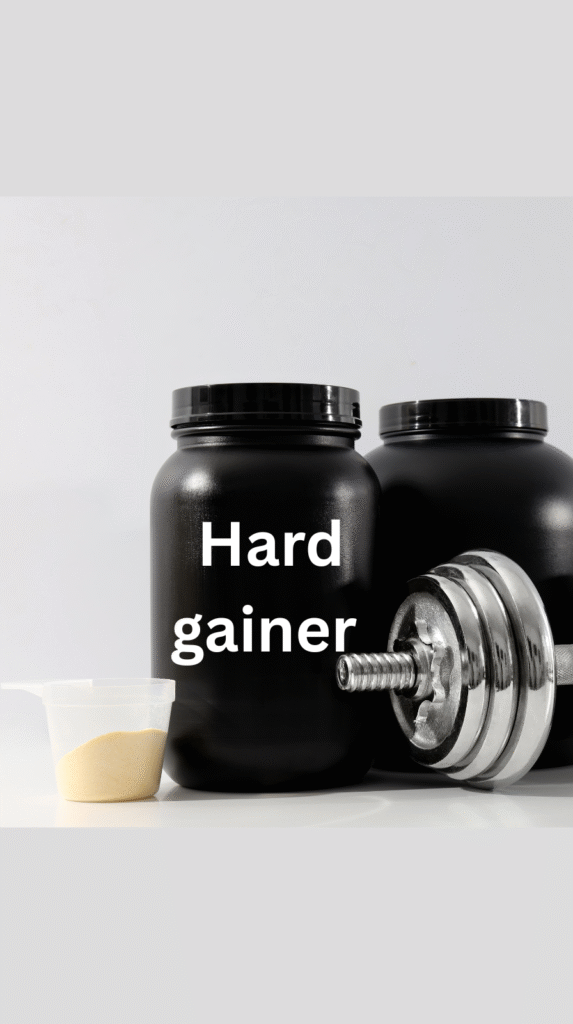
Mass Gainer: A highly-caloric powder blend of protein and carbohydrates. A fantastic tool for Ectomorphs struggling to meet their high calorie foods requirement.