

Table of Contents
ToggleStarting Your Fitness Journey: A Simple Guide for Beginners
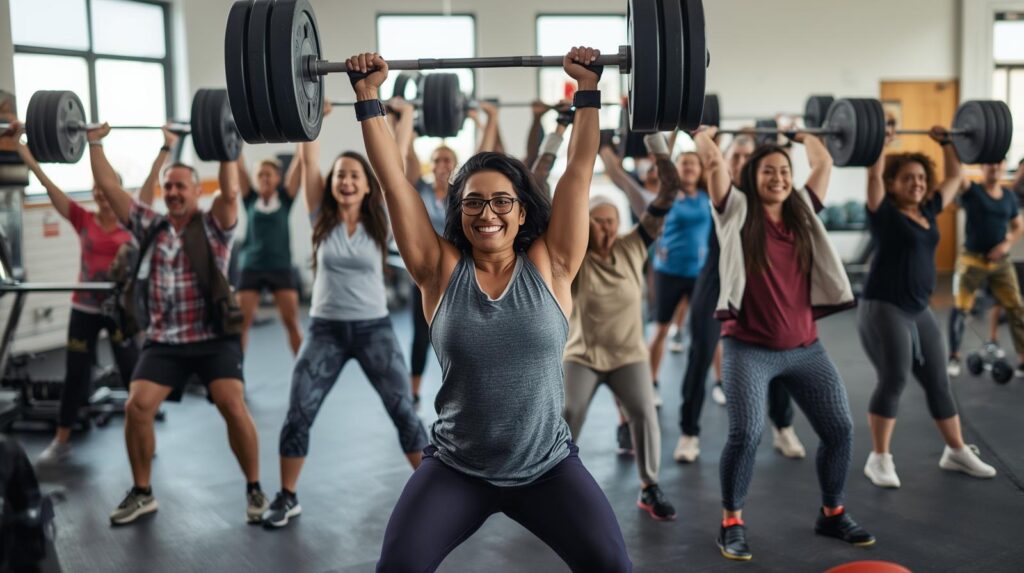
Starting your fitness journey can feel overwhelming, especially when you see countless workout programs, diets, and social media influencers all promoting different strategies for achieving the “perfect” body. But the truth is, there’s no one-size-fits-all solution. Fitness is personal, and your journey should reflect your goals, lifestyle, and preferences. The good news? You don’t need to be an expert to start—you just need the right mindset, a bit of guidance, and the willingness to take consistent steps forward. In this guide, we’ll explore the foundations of beginning your fitness journey, covering everything from setting realistic goals to building a workout routine, staying motivated, eating for energy, and making fitness a sustainable part of your life. By the end, you’ll have a clear roadmap for turning your intentions into lasting habits that will improve not just your physical health but also your mental well-being.
Why Start a Fitness Journey?
Before diving into the “how,” it’s important to understand the “why.” Fitness isn’t just about losing weight or building muscle—it’s about improving your overall quality of life. Regular exercise has been shown to boost mood, reduce stress, increase energy levels, improve sleep, and lower the risk of chronic illnesses like diabetes, heart disease, and hypertension. Beyond the physical benefits, fitness provides a sense of empowerment and confidence that can positively impact every area of your life. When you feel strong, capable, and healthy, you’re better equipped to handle challenges both physically and mentally.
Many beginners start with external motivations, such as looking good for an event, fitting into certain clothes, or gaining validation from others. While these can help spark the initial drive, long-term success often comes from internal motivations—wanting to feel healthier, have more energy to play with your kids, reduce stress after work, or simply live longer with fewer health issues. Identifying your deeper “why” gives you a powerful anchor to return to whenever motivation dips, which it inevitably will.
Set Realistic and Achievable Goals
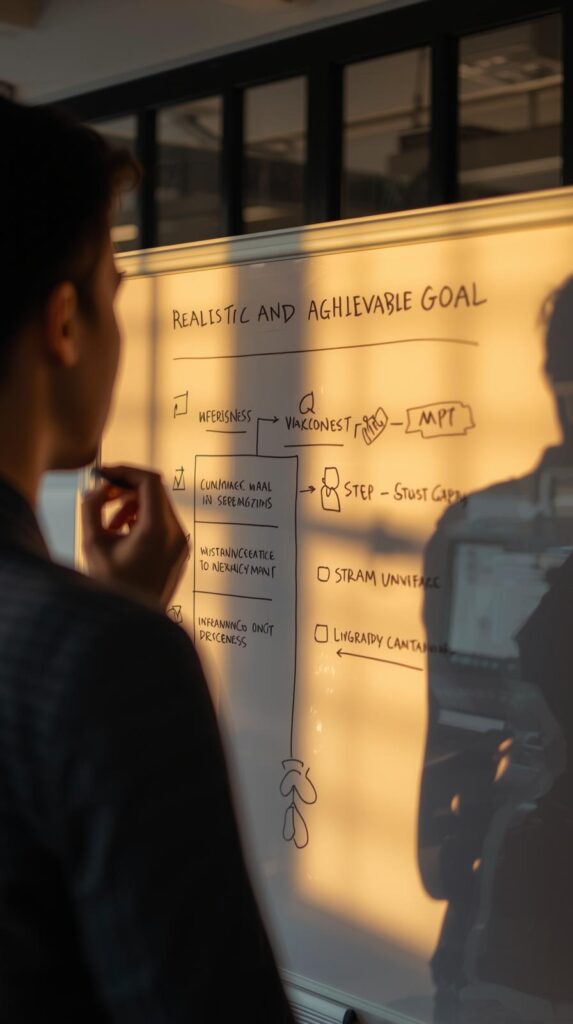
One of the biggest mistakes beginners make is setting unrealistic expectations, such as wanting to lose 20 pounds in a month or expecting to have visible abs in just a few weeks. While ambition is great, aiming too high can lead to disappointment and discouragement. Instead, focus on small, measurable, and achievable goals. For example:
Walk 30 minutes a day, three times a week.
Complete two strength-training workouts per week.
Drink an extra glass of water each day.
Add one extra serving of vegetables to your meals.
These may seem minor, but small changes compound over time and create momentum. A great framework for setting goals is the SMART method: Specific, Measurable, Achievable, Relevant, and Time-bound. For example, instead of saying, “I want to get fit,” a SMART goal would be: “I want to jog for 20 minutes without stopping within the next six weeks.” This approach helps you stay focused and gives you a clear target to work toward.
Choose Activities You Enjoy
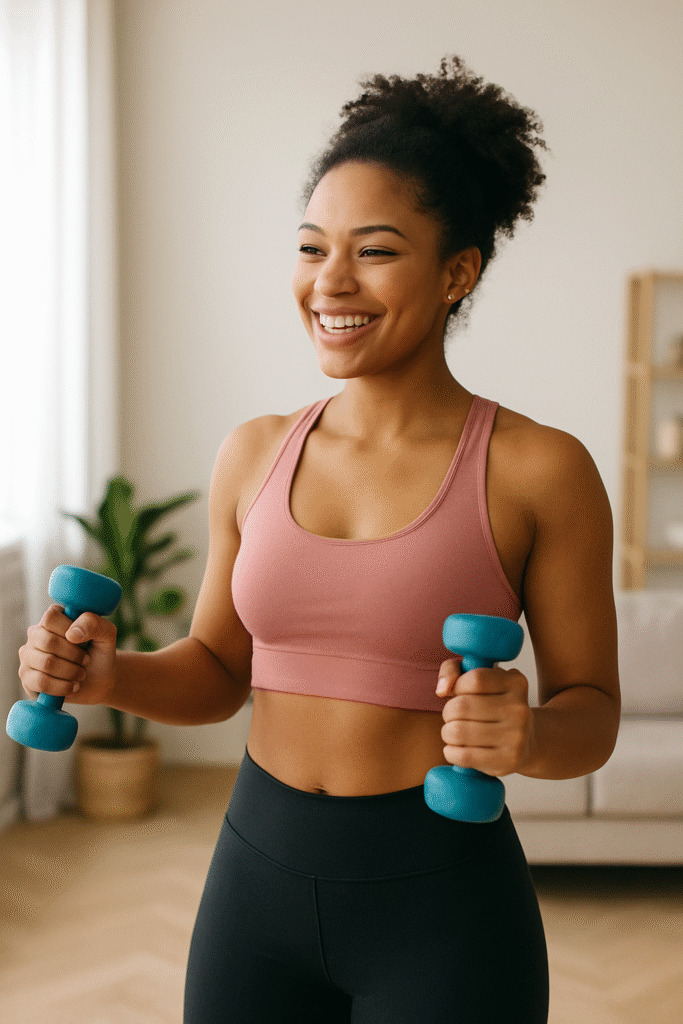
One of the secrets to sticking with fitness long-term is enjoyment. If you hate running, don’t force yourself to run just because you think it’s the “best” way to lose weight. Fitness should be something you look forward to, not dread. Thankfully, there are countless ways to stay active:
Walking or hiking in nature
Dancing, Zumba, or group fitness classes
Yoga or Pilates
Swimming or cycling
Weightlifting or bodyweight exercises
Team sports like basketball, soccer, or tennis
Experiment with different activities until you find one (or a few) that you enjoy. Remember, there’s no rule that says you must stick to one form of exercise forever. Variety keeps things interesting and challenges your body in new ways.
Start Small and Build Consistency

When starting your fitness journey, consistency matters more than intensity. It’s better to work out moderately three times a week than to push yourself through grueling workouts for two weeks and then quit. Think of fitness as a marathon, not a sprint. Your goal is to build habits that stick, not burn out.
Start with 15–30 minutes of exercise a few times a week. As your body adapts, gradually increase the duration and intensity. Listen to your body and allow time for rest and recovery, especially if you’re new to exercise. Overtraining can lead to injury, which is one of the biggest setbacks for beginners.